0%

HVAC Blower Motors move conditioned air through a home, often for hours at a time. When one fails, the first clues may be subtle: weaker airflow, a new rattling sound, or a furnace that starts but barely moves air. Sometimes, there is no warning at all.

The motor itself is not always the problem. A clogged filter, dirty blower wheel, blocked return, or failing capacitor can produce similar symptoms. Restricted airflow and excess dust may add strain, while worn bearings can cause grinding or squealing as parts age. Electronic controls, electrical connections, and moisture exposure can also affect some motor designs. Small details matter.

This guide explores why blower motors fail, what symptoms commonly appear, and which factors can shorten their service life. It also distinguishes motor trouble from related component faults, since replacing the wrong part wastes time and money. A buzzing unit, for example, does not confirm a bad motor. Diagnosis matters.

Motor design, system condition, and maintenance history all shape the likely cause. No single symptom tells the whole story, and a clean-looking filter does not prove the airflow is adequate. That can be easy to miss. Understanding these limits helps homeowners ask better questions and helps technicians narrow down the cause before recommending a repair.
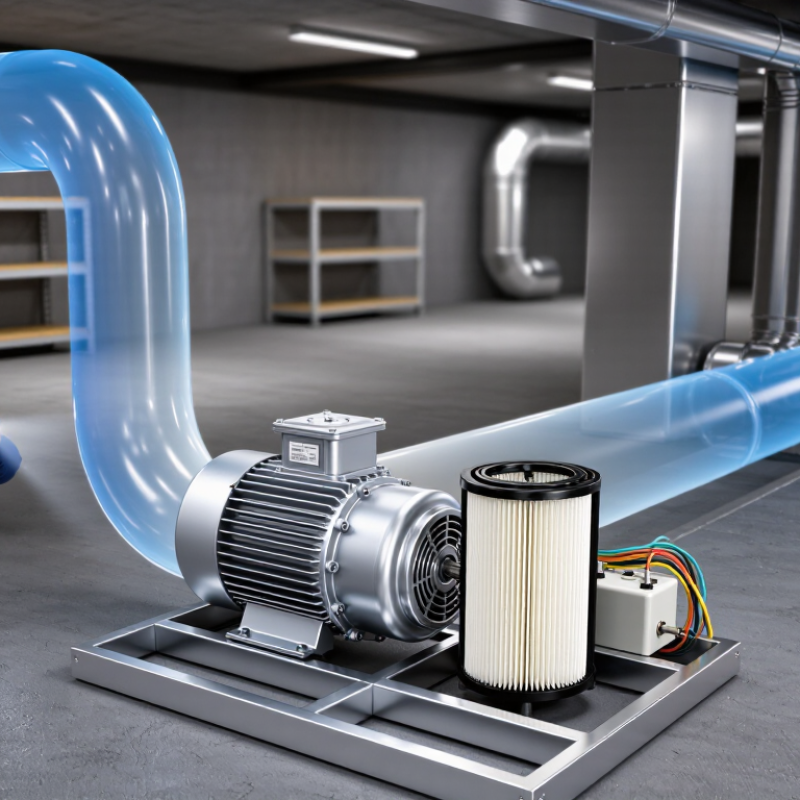
Why Do HVAC Blower Motors Fail?

How an HVAC Blower Motor Works

Why Do HVAC Blower Motors Fail?

How an HVAC Blower Motor Works

An HVAC blower motor moves conditioned air through your home. When the thermostat calls for heating or cooling, the system signals the motor to turn. The motor spins a fan wheel, which pulls air through the return duct and pushes it across the heating or cooling equipment. That air then travels through supply ducts and into the rooms. You may hear the wheel start with a soft rush, followed by steady airflow at the vents. The exact controls vary by system, but the basic job stays the same.

Many systems adjust blower speed to manage airflow and comfort. Depending on the design, a control module, capacitor, or other components help the motor start and run. Dust buildup, worn bearings, restricted filters, or electrical faults can interfere with operation. A failing motor may hum, rattle, stop intermittently, or produce weak airflow. These clues are useful, but they do not prove the motor itself is faulty. A clogged filter or control problem can look similar. That distinction is easy to miss.

Common Mechanical and Electrical Failure Mechanisms

Why Do HVAC Blower Motors Fail?

Common Mechanical and Electrical Failure Mechanisms

HVAC blower motors often fail after prolonged heat, friction, or electrical stress. Mechanically, worn bearings may squeal or grind as lubrication degrades. Dust buildup and an unbalanced blower wheel can add vibration, loosening mounts and accelerating wear. Restricted airflow can also raise system pressure and motor temperature, depending on the fan and motor design. The damage may be gradual. A faint rattle is easy to dismiss.

Electrical faults include loose connections, voltage imbalance, damaged winding insulation, and failed capacitors in applicable motor types. These can cause hard starts, excess current, or overheating. The U.S. Department of Energy’s 2014 motor-systems sourcebook estimates motor-driven systems use about 68% of U.S. manufacturing electricity. That figure is not specific to HVAC blowers, but it shows why motor reliability matters. No single symptom proves the cause; diagnosis should include airflow, voltage, current, and bearing condition.

Tips: Replace clogged filters on schedule, keep the blower wheel clean, and note new noise or vibration. Small clues matter. Record when symptoms occur; intermittent faults can be harder to trace.

Operating Conditions That Accelerate Motor Wear

HVAC blower motors work hardest when airflow is restricted. A clogged filter makes the fan push against added resistance. Dust on the blower wheel can also upset its balance. The motor may run hotter, while bearings face extra strain. Small restrictions matter over time.

Heat is another steady source of wear. Motors in cramped, poorly ventilated compartments may struggle to shed it. Frequent starts and stops add stress, especially when a thermostat triggers short cycles. Low or unstable supply voltage can also make a motor run irregularly. Not every warm motor is failing, though. Temperature and operating conditions need to be considered together.

Listen for changes. A new hum, rough vibration, or delayed start can point to trouble, but none proves the motor is the only cause. A dirty wheel, loose mounting, or failing capacitor may produce similar symptoms. It is easy to blame the motor too quickly. A technician can check airflow, electrical readings, and bearing noise before recommending replacement. Keep vents open and replace filters on a suitable schedule. Even then, a clean filter is not a cure-all when ducts or coils are obstructed.

Symptoms of a Failing Blower Motor

An HVAC blower motor may be failing when airflow weakens, stops unexpectedly, or varies between rooms. You might hear a low hum, squeal, or rattling from the air handler. The sound may grow louder when heating or cooling starts. Pay attention. A burning odor or repeated shutdowns deserves prompt attention, especially if the system’s breaker trips. These signs matter because the U.S. Energy Information Administration’s 2020 Residential Energy Consumption Survey attributes roughly half of household energy use to space heating and air conditioning combined. Poor airflow can affect comfort and system operation, but it does not prove the motor is at fault.

A clogged filter, blocked return grille, loose blower wheel, or failing capacitor can produce similar symptoms. Not proof. Note when the noise occurs, whether airflow changes at every vent, and whether the motor starts reliably after a pause. A technician can check electrical supply, capacitor condition, motor bearings, and wheel movement before recommending replacement. Do not keep resetting a tripped breaker or run the system if you smell hot insulation. The overlooked detail is often airflow itself: a filter packed with dust can make a healthy motor seem weak. A careful diagnosis matters more than guessing from one symptom.

How Technicians Identify the Cause of Failure

A failed blower motor is a symptom, not a diagnosis. Technicians begin by confirming the complaint: no airflow, weak airflow, or a motor that stops after running briefly. They check the filter, return grille, coil, and ductwork for restrictions. A clogged filter can raise operating strain, but it does not prove the motor is defective. Check the basics. With power safely isolated, a technician inspects wiring, terminals, and the blower wheel for heat marks, looseness, or debris.

Then comes measurement. For a conventional motor, the technician checks supply voltage, capacitor condition, and running current against the motor’s nameplate. High current may point to a failing bearing, an overloaded wheel, or restricted airflow; low or absent voltage suggests a control or wiring problem instead. Electronically controlled motors require model-specific testing, so a simple capacitor swap may miss the cause. Listen for grinding. Note when the fault occurs.

The U.S. Energy Information Administration’s 2020 Residential Energy Consumption Survey reports that space heating accounted for about 42% of household energy use, while air conditioning accounted for about 9%. These figures are not motor-failure rates, but they show why airflow faults merit careful checks. Findings should be recorded, including readings and conditions at the time of failure. Intermittent faults are frustrating; one visit may not reveal the whole story.

Why Do HVAC Blower Motors Fail? - How Technicians Identify the Cause of Failure

Possible Cause Common Signs How a Technician Checks It What the Findings May Indicate Typical Corrective Action
Restricted airflow
Dirty filter, blocked return, closed registers, or a dirty coil
Weak airflow, overheating, frequent cycling, or a blower that runs noisily or stops after warming up Inspect the filter, return path, coil, and registers; check temperature rise and, where appropriate, airflow or static pressure. Excessive system resistance can reduce motor cooling and increase operating load. It may contribute to overheating but does not alone prove the motor has failed. Restore airflow, replace or clean the filter as appropriate, and clean or correct obstructed components.
Worn bearings or motor bushings Rumbling, squealing, grinding, shaft play, or a wheel that does not turn smoothly With power safely isolated, inspect shaft movement and wheel rotation; listen for bearing noise and check for rubbing or misalignment. Roughness, excessive play, or persistent mechanical noise can indicate bearing wear or damage to the motor assembly. Correct wheel alignment or obstruction; replace the motor when its bearings or assembly are not serviceable.
Failed run capacitor
Applicable to many PSC motors
Motor hums but does not start, starts slowly, or has difficulty starting; some motors may overheat. Identify the motor type, inspect the capacitor, and measure capacitance with suitable test equipment after safe isolation and discharge procedures. A measured value outside the capacitor’s marked tolerance can indicate a faulty capacitor. Many ECM motors do not use a separate run capacitor. Replace a confirmed faulty capacitor with the specified type and rating; retest the motor and operating circuit.
Electrical supply or connection problem Intermittent operation, no start, breaker trips, or signs of heat at a connection Check supply voltage under operating conditions, wiring connections, grounding, fuses, and the circuit against the equipment wiring diagram. Incorrect voltage, a loose connection, or a control-circuit fault can prevent proper operation or damage components. A tripped breaker requires investigation, not repeated resetting. Repair the verified wiring or supply issue and confirm the circuit is operating within equipment specifications.
Overheating or insulation damage Burning odor, discoloration, repeated thermal cutout, or a motor that stops while hot and restarts after cooling Inspect for heat damage and airflow problems; check current draw and winding condition using appropriate procedures and equipment. A thermal protector may be responding to excessive heat. The underlying cause could be restricted airflow, mechanical drag, incorrect supply, or damaged windings. Identify and correct the source of overheating; replace the motor if electrical or thermal damage is confirmed.
Dirty, damaged, or unbalanced blower wheel Vibration, rattling, uneven airflow, or noise that changes with blower speed Inspect the wheel for dirt buildup, cracks, loose mounting, obstructions, and contact with the housing; check that it is centered. Imbalance or rubbing can add mechanical load and vibration, potentially accelerating wear on the motor and supports. Clean or replace the wheel as needed, remove obstructions, and secure and align the assembly.
Moisture, corrosion, or contamination Corroded terminals, moisture marks, intermittent faults, or visible contamination near the motor or controls Inspect the compartment, wiring, connectors, and drainage path for water intrusion, corrosion, or debris; test affected electrical parts as appropriate. Contamination can impair connections or damage motor electronics. The source of moisture should be identified before replacing parts. Correct the leak or drainage issue, clean or replace damaged connections, and replace components that fail testing.
Control, relay, or ECM electronics fault Motor does not respond to a call, runs at an unexpected speed, or starts and stops inconsistently Verify the heating or cooling call, control output, connectors, and motor-specific signals; follow the unit’s diagnostic procedure and wiring diagram. A missing command or incorrect signal may point to a control issue rather than a failed motor. ECM diagnosis depends on the specific motor and system design. Repair the confirmed control or wiring fault, or replace the motor or module if its failure is established by the appropriate tests.

Diagnostic note: Symptoms can overlap, so technicians typically verify the motor type, airflow, electrical supply, controls, and mechanical condition before deciding that the motor has failed. Electrical testing should be performed by a qualified technician with power isolated where required.

FAQS

What does an HVAC blower motor do?

It spins a fan wheel, pulling air through return ducts and pushing it across heating or cooling equipment. You may hear a soft rush at startup.

What can make a blower motor fail?

Heat, friction, dust, and electrical stress can wear it down. Bearings may squeal, while electrical faults can cause hard starts or overheating.

Can weak airflow mean the motor is failing?

Yes, but a clogged filter or blocked return vent can also reduce airflow. Check those simple causes before assuming the motor is faulty.

What noises may signal a problem?

Squealing, grinding, humming, or rattling can point to wear or trouble. A faint rattle is easy to ignore; I might blame the motor too quickly.

Why might the blower stop and start intermittently?

A motor, control, or electrical problem may interrupt operation. Note when it stops; intermittent faults can be difficult to trace.

How can restricted airflow affect the motor?

A dirty filter can restrict airflow and, depending on the system, raise pressure and motor temperature. Keep return vents clear.

What should I check before arranging an inspection?

Check the filter and look for blocked return vents. Notice changes in sound or airflow. Small clues matter.

Is it safe to test the motor’s electrical parts myself?

Electrical testing is not a casual DIY task. If the motor repeatedly stops, switch off the system and arrange a qualified inspection.

Conclusion

HVAC Blower Motors move air through heating and cooling systems, relying on electrical power and rotating components to drive a fan. Their performance can decline when parts such as bearings, windings, capacitors, or electrical connections wear out or become damaged. Mechanical friction, overheating, dust buildup, and electrical stress are among the common causes of failure.

Operating conditions can speed up wear: restricted airflow, frequent starts and stops, excessive system demand, and poor maintenance may force a motor to work harder than intended. Warning signs include unusual noises, weak or inconsistent airflow, intermittent operation, and a motor that will not start. To identify the cause, technicians typically inspect the fan and motor, check airflow and connections, and test relevant electrical components. Finding the underlying problem helps guide appropriate repairs and reduce the chance of repeat failure.

Oliver

Oliver

Oliver is a dedicated marketing professional with a deep understanding of the company’s products, customers, and evolving market needs. With a strong combination of strategic thinking, industry knowledge, and clear communication skills, he helps transform complex product information into practical......