0%

Vehicle Electrification Batteries are becoming central to the shift from fuel-powered transport to electric mobility. Demand comes from passenger cars, delivery vans, buses, and commercial fleets. Each larger fleet requires more battery cells, charging capacity, and dependable supply chains. The change is visible in practical details: a depot needs chargers ready before morning routes, while a vehicle’s battery must perform in heat, cold, and stop-and-go traffic. These everyday demands help explain why manufacturers are expanding production and investing in different battery designs.

IEA Executive Director Fatih Birol described the wider energy transition this way: “The world is entering a new industrial age—the Age of Electricity.” That context matters. Electrification links transport demand with power generation, charging networks, and battery materials. Yet demand alone does not tell the whole story. Cost, manufacturing capacity, mineral sourcing, durability, and recycling all affect how quickly supply can grow. A technician checking a battery pack’s temperature readings sees the same tension in miniature: performance matters, but so do safety and service life. The picture is not perfectly tidy. More batteries can support cleaner transport, but production also uses energy and materials. Understanding this balance makes the high demand easier to explain—and leaves important questions about affordability, supply resilience, and end-of-life recovery.
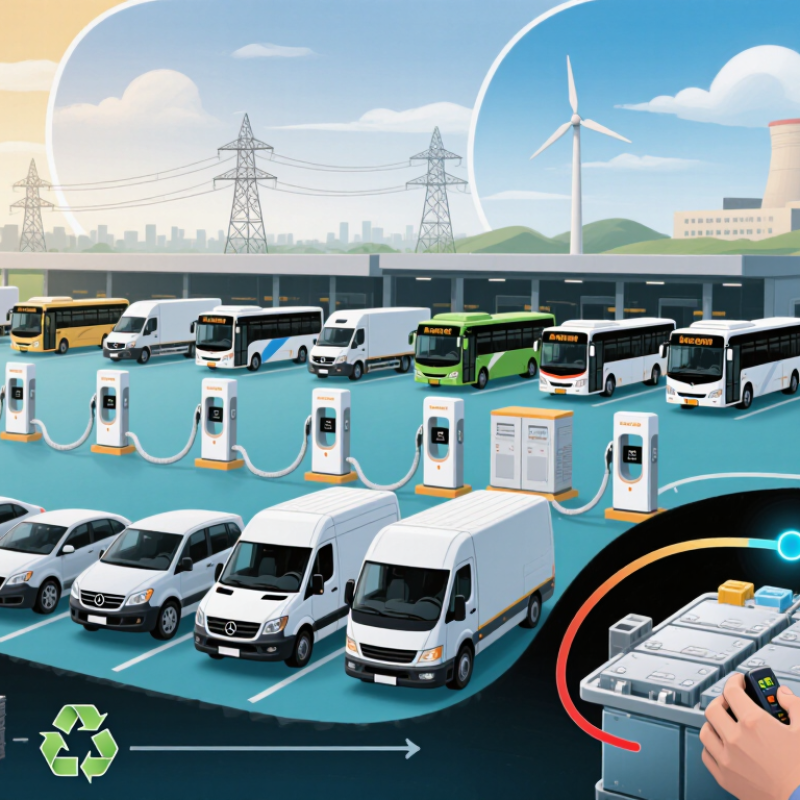
Why Are Vehicle Electrification Batteries in High Demand?

What Vehicle Electrification Batteries Are

Vehicle electrification batteries are rechargeable energy-storage systems that help propel electric and hybrid vehicles. They store electricity in electrochemical cells and deliver it to an electric motor. A complete battery system often includes a protective enclosure, cooling components, sensors, and a battery-management system. These parts help control temperature, monitor cell condition, and manage power. The cells get attention. The supporting hardware matters, too.

The term can be a little imprecise. Some designs use modules; others arrange cells differently. Either way, the battery must handle repeated charging, vibration, and changing temperatures beneath a vehicle floor or inside its frame. The International Energy Agency’s Global EV Outlook 2024 reports that electric-car battery demand reached about 750 GWh in 2023, roughly 40% higher than in 2022. That figure shows the scale of use, but capacity alone does not describe a battery’s performance. Chemistry, usable energy, charging limits, and thermal management also shape how it works in daily driving.

Tips: When comparing battery specifications, check usable capacity and charging conditions, not just the headline kWh figure. A cold morning can reduce available power or slow charging. Small detail, big effect. Also consider battery warranties and vehicle-level efficiency; a larger pack is not automatically the better fit.

How Batteries Enable Electric and Hybrid Vehicles

An electric vehicle’s battery stores energy as direct current, then supplies it through power electronics to the traction motor. The motor turns the wheels; during braking, it can also send energy back to the battery. On a long downhill stretch, that recovered energy may extend the trip, though it cannot capture every bit of motion. Battery capacity shapes driving range, while power output affects acceleration. Heat matters too: batteries need careful temperature control during fast charging and hard driving.

Hybrid vehicles use batteries differently. Their smaller packs can assist the engine when pulling away from a stop, support short periods of electric driving, and store energy recovered during braking. The exact role varies by vehicle design. The International Energy Agency’s Global EV Outlook 2024 reports that demand for electric-vehicle batteries exceeded 750 gigawatt-hours in 2023, about 40% higher than in 2022. That growth reflects how central batteries have become to both electric and hybrid drivetrains. Still, battery size alone does not tell the whole story. Weather, speed, payload, and driving habits all affect energy use. The neat specifications on paper can feel less certain on a cold morning.

Key Factors Driving Battery Demand

Why Are Vehicle Electrification Batteries in High Demand?

Key Factors Driving Battery Demand

Battery demand is growing because more drivers are choosing electric vehicles, and each vehicle needs a substantial energy store. The International Energy Agency’s Global EV Outlook 2024 estimates that electric-car battery demand reached about 750 gigawatt-hours in 2023, roughly 40% higher than in 2022. More vehicles on the road mean more cells moving through factories, shipping networks, and repair systems. The scale is tangible: a single battery pack contains thousands of cells working together.

Costs matter, too. The IEA reported that battery pack prices fell by around 14% in 2023, helping make electric vehicles more affordable. Falling prices can encourage adoption, while larger batteries can extend driving range and ease concerns about charging stops. Not every buyer needs a long-range vehicle, though. Bigger packs also use more materials, so range expectations deserve a closer look.

Demand is not driven by private cars alone. Electric buses, delivery vans, and trucks also require large batteries, often with frequent charging cycles. Meanwhile, battery production is expanding to serve these varied needs. The IEA’s figures describe a fast-growing market, but they do not mean growth will be smooth everywhere. Charging access, grid capacity, mineral supply, and recycling still shape how quickly electrification can advance. The numbers are impressive. They are not the whole story.

How Battery Technology Shapes Vehicle Adoption

A vehicle battery does more than store energy. Its chemistry, pack design, and control software influence driving range, charging time, cost, and service life. Those details shape whether an electric vehicle feels practical for a daily commute or a long trip. A useful battery is not simply the one with the most capacity. It must also work reliably across changing temperatures and repeated charging.

Fast charging can make longer journeys easier, but charging speed depends on temperature, battery condition, and the vehicle’s charging system. Thermal controls help keep cells within a suitable operating range. In cold weather, drivers may notice slower charging or reduced range. That matters. Clear, realistic range estimates can build more confidence than an impressive figure that rarely matches everyday use.

Battery durability also affects adoption. Careful cell monitoring and pack design can slow degradation, while repairable components may reduce the cost of maintaining a vehicle. Recycling can recover materials, though collection and processing systems still need improvement. There is no perfect battery choice for every driver. Smaller packs may suit short urban trips, while longer-distance travel may call for more capacity. The trade-off is not always obvious, and buyers deserve straightforward information about it.

Challenges in Scaling Battery Production

Why Are Vehicle Electrification Batteries in High Demand?
Challenges in Scaling Battery Production

Vehicle electrification is raising demand for batteries, but demand alone does not create usable cells. Scaling production means repeating tightly controlled steps across thousands of units. A small variation in electrode coating thickness can affect performance and consistency. Dry rooms must keep moisture low, while cell assembly requires precise handling. Tiny errors matter.

Factories also depend on reliable supplies of lithium, graphite, nickel, and other processed materials. Availability can shift, and refining capacity takes time to expand. Equipment must be installed, calibrated, and maintained; new production lines rarely reach stable output on day one. After assembly, cells undergo formation and testing, which consume time, energy, and floor space. A bottleneck in any stage can slow the whole plant.

Workers need practical training to spot defects and respond to process changes. Engineers must balance speed with yield, safety, and repeatable quality. It is easy to assume a factory can simply add more machines. That is not always true. Utilities, ventilation, waste handling, and quality systems may need upgrades too. Recycling can return some materials, but collection and processing networks are still developing. Even experienced teams revise plans when production data differs from pilot runs. That uncertainty deserves more attention.

FAQS

What is a vehicle electrification battery?

It stores electricity in rechargeable cells and supplies power to an electric motor. A full system also includes sensors, cooling parts, protective housing, and controls.

How does a battery power an electric vehicle?

The battery stores direct-current electricity. Power electronics send it to the motor, which turns the wheels. During braking, some energy can return to the battery.

How do batteries work in hybrid vehicles?

A hybrid’s smaller battery can assist the engine when moving off, support short electric drives, and store energy from braking. Its role varies by design.

What affects a battery’s driving range?

Usable capacity matters, but so do temperature, speed, payload, and driving habits. A cold morning can reduce available power or slow charging.

Does a larger battery always make a vehicle better?

Not necessarily. A larger pack may extend range, but it also uses more materials. Match capacity to your usual journeys and charging access.

Why is demand for vehicle batteries growing?

More electric cars, buses, delivery vans, and trucks need battery packs. Electric-car battery demand reached about 750 GWh in 2023, roughly 40% above 2022.

Have battery prices been falling?

Battery pack prices fell by around 14% in 2023. Lower costs can support vehicle affordability, though prices do not tell the whole story.

What should drivers check when comparing battery specifications?

Look at usable capacity, charging conditions, warranty coverage, and vehicle efficiency—not just the headline kWh figure. I might be making this sound too neat; daily use can be less predictable.

Conclusion

Vehicle Electrification Batteries are rechargeable energy systems that power electric vehicles and support the electric driving functions of hybrid vehicles. They store electricity for propulsion, help reduce reliance on fuel, and can influence how far a vehicle travels, how quickly it charges, and how it performs. As more drivers and manufacturers seek efficient, lower-emission transportation, demand for these batteries continues to grow. Advances in energy density, charging speed, durability, and safety can make electric and hybrid vehicles more practical for everyday use and encourage wider adoption.

Meeting rising demand also presents challenges. Battery production requires substantial materials, skilled manufacturing, reliable supply chains, and careful quality control. Expanding production while improving efficiency and managing costs is essential. Continued progress in battery design, manufacturing methods, and recycling can help address these pressures and support the long-term growth of vehicle electrification.

Ethan

Ethan

Ethan is a professional marketing specialist and trusted content contributor with a deep understanding of the company’s products, services, and customer needs. With a strong combination of market insight, product knowledge, and clear communication skills, he helps readers make informed decisions......