Precision Motion Control Product Lineup
Customizable AC/DC Servo Motors, Micro Steppers, High-Torque Gearmotors & Integrated Driver Kits
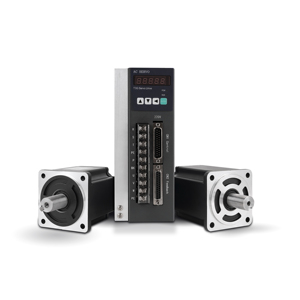
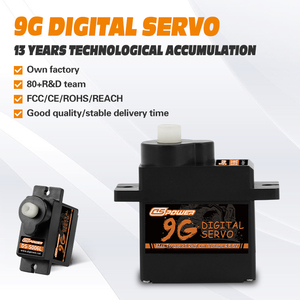
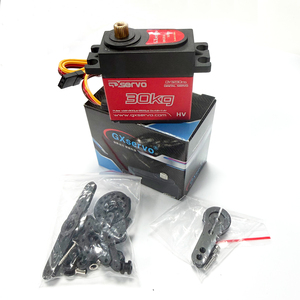
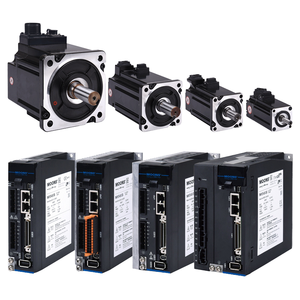
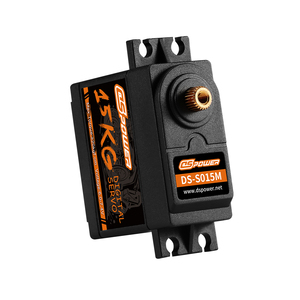
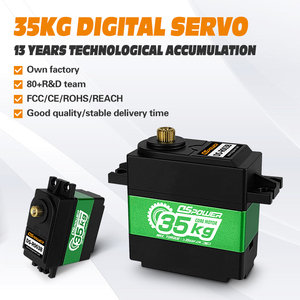
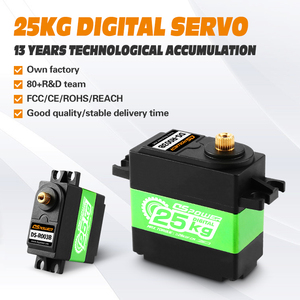
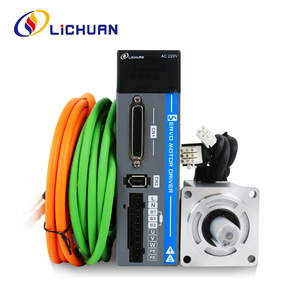
OEM/ODM Custom Motion Control Manufacturing & Sourcing Strategy
An authoritative guide for engineering directors, procurement officers, and system integrators specifying brushless DC, stepper, servo motors, and integrated mechatronics.
Executive Summary: Motion control architectures are undergoing a generational pivot toward high power density, direct-drive integration, smart bus communication, and multi-tier supply chain resilience. As an established OEM/ODM motion control engineering company operating since 1985, Telco Intercontinental Corp. delivers custom motor platforms, high-precision gearheads, low-EMI drives, and sodium-ion battery integration engineered specifically to your application's duty cycle profile.
1. The Modern OEM/ODM Motion Control Ecosystem
Precision motion control is the physical core of modern industrial automation, medical robotics, laboratory diagnostic equipment, HVAC systems, and autonomous mobility platforms. When procuring motion control solutions, Original Equipment Manufacturers (OEMs) and Original Design Manufacturers (ODMs) face a critical architectural decision: relying on rigid off-the-shelf catalog motors or partnering with specialized motion control factories to design bespoke electromagnetic configurations.
Standard catalog components frequently force engineering design teams into unwanted compromises. A standard off-the-shelf motor may meet speed requirements but exceed envelope constraints, run excessively hot under transient peak loads, or suffer from poor EMI characteristics in noise-sensitive medical lab automation. Conversely, custom OEM/ODM motor engineering optimizes every dimension of the drive stack—from the lamination steel selection and magnetic pole topology to copper winding slot fill factors, thermal potting, shaft dimensions, and encoder resolution.
Duty-Cycle Optimization
Custom windings designed for exact thermal limits, continuous S1 duty or high transient S3 peak torque without oversizing frame size or adding unnecessary motor weight.
Integrated Mechatronics
Combining BLDC or stepper motors with planetary gearing, high-resolution optical/magnetic encoders, low-backlash brakes, and drive electronics into a single IP-rated housing.
Regulatory Integrity
Full engineering compliance support for medical IEC 60601-1 4th edition EMC compliance, cleanroom-compatible synthetic lubricants, and ISO 13485 quality lot traceability.
2. Industry Procurement Trends & Motion Control Evolution (2025–2030)
The global motion control market is expanding rapidly, driven by industrial IoT deployment, smart factory robotics, surgical automation, and low-voltage battery-operated mobile platforms. Sourcing managers and chief technology officers must align their procurement strategies with four key technical trends:
A. Transition from Brushed DC to Slotless & Frameless BLDC Motors
While brushed PMDC motors remain cost-effective for simple intermittent actuators, high-reliability applications are overwhelmingly transitioning to Brushless DC (BLDC) and Permanent Magnet Synchronous Motors (PMSM). Slotless BLDC motor designs eliminate cogging torque entirely, providing smooth rotational performance at low speeds essential for micro-fluidic pumps, optical scanners, and robotic surgical arms. Frameless motor kits—consisting solely of a stator and rotor set—allow machine designers to integrate the motor directly into joint housings, saving critical axial space and reducing mechanical backlash.
B. Smart Motion Control & Decentralized Architecture
Centralized control cabinets with thick, expensive multi-conductor cable runs are being replaced by decentralized motion systems. Modern OEM/ODM factories are embedding compact servo drives directly onto motor end-bells. Utilizing industrial bus interfaces such as EtherCAT, CANopen, RS485 Modbus, and IO-Link, these intelligent motor assemblies send real-time diagnostic data—including operating temperature, vibration profiles, current draw anomalies, and encoder feedback—enabling predictive maintenance natively within Industry 4.0 environments.
C. Co-Engineering Motion Components with Advanced Battery Chemistry
With the rise of Autonomous Mobile Robots (AMRs), Automated Guided Vehicles (AGVs), and untethered medical carts, motion hardware can no longer be evaluated in isolation from energy storage systems. The integration of high-efficiency BLDC drives with modern battery power supplies—specifically next-generation Sodium-Ion (Na-Ion) and Lithium Iron Phosphate (LiFePO4) battery packs—ensures maximum cycle life, superior low-temperature performance, enhanced thermal safety, and optimized power delivery during heavy acceleration profiles.
40 Years of OEM Motion Control Engineering Excellence
Founded in 1985 in Houston, Texas, Telco Intercontinental Corp. bridges state-of-the-art electromagnetic engineering with global manufacturing capabilities. We reduce single-point supply chain risks through audited multi-factory footprints and rigorous domestic quality assurance.
3. OEM vs. ODM vs. Modified Standard Sourcing Matrix
When starting a new motion project, engineering directors must choose the appropriate procurement methodology based on volume, budget, performance uniqueness, and time-to-market. The technical comparison table below illustrates the decision parameters across manufacturing pathways:
| Evaluation Parameter | Standard Catalog Motor | Modified Standard Platform | Full Custom OEM/ODM Design |
|---|---|---|---|
| Non-Recurring Engineering (NRE) | $0 (None) | Low ($500 – $2,500) | Moderate to High ($5,000+) |
| First Prototype Lead Time | 1 – 2 Weeks | 4 – 6 Weeks | 10 – 14 Weeks |
| Minimum Annual Order Quantity (MOQ) | 1 – 50 Units | 250 – 500 Units | 1,000+ Units |
| Customization Scope | None (Fixed Datasheet) | Shaft, Leadwires, Gear Ratios, Encoders, Winding Turns | Bespoke Laminations, Stator/Rotor Geometry, Potting, Custom Housing |
| Thermal & Envelope Fit | Sub-Optimal (Compromised) | Optimized to Existing Design | 100% Custom Form-Factor |
| Supply Chain & IP Control | Shared Catalog Availability | Locked Customer Part Number | Exclusive Proprietary Design & Drawing Locks |
4. Corporate Enterprise Capabilities: Why Partner with Telco Intercontinental Corp.
Navigating global motor manufacturing requires deep engineering oversight to prevent supply disruptions, non-conforming lots, and quality degradation. Telco Intercontinental Corp. offers a proven operational model tailored for North American and European OEMs:
- Application-First Engineering Audit: Our Texas-based technical team performs rigorous mechanical load modeling, thermal rise evaluation, back-EMF analysis, and gear-train stress calculation prior to issuing formal quotations.
- Dual-Source Global Manufacturing: We operate audited, ISO-certified manufacturing facilities in Asia and North America. This dual-source model protects your assembly lines from regional tariffs, geopolitical bottlenecks, or logistics disruptions.
- Comprehensive Quality Control & Revision Discipline: All production runs adhere strictly to locked engineering drawings, revision history logs, and strict Lot Acceptance Testing (LAT). We offer full compliance support for ISO 9001, ISO 13485 (medical quality management), and REACH/RoHS environmental directives.
- Custom Energy & Battery Integration: Through specialized energy storage engineering, we pair custom motor drives with custom-engineered Sodium-Ion battery packs and lithium power modules, managing BMS firmware, charging logic, and physical packaging as a unified system deliverable.
Frequently Asked Questions (FAQ) for OEM/ODM Procurement
Expert answers to common engineering, regulatory, quality control, and manufacturing questions.