High-Performance Battery Packs & Matched Precision Actuation Systems
Direct factory supply of custom sodium-ion energy modules integrated with low-noise drives and high-torque servomotors for industrial equipment in Poland and across the EU.
Sodium-Ion Battery Pack Architecture: Technological Edge for Poland & European Markets
An engineering analysis of Sodium-Ion (Na-Ion) electrochemistry, thermal performance in sub-zero Polish winter environments, and cost-efficiency advantages over Lithium Iron Phosphate (LiFePO4).
Electrochemical Architecture & Cathode Innovations
Sodium-Ion battery chemistry represents a paradigm shift in electrochemical energy storage. Utilizing abundant sodium resources ($Na^+$), this chemistry bypasses the geographical bottleneck and volatile supply chains associated with Lithium ($Li^+$) and Cobalt ($Co$). Modern custom sodium-ion battery packs engineered by China's leading wholesale manufacturers predominantly deploy two distinct cathode matrix platforms:
- Layered Transition Metal Oxides ($Na_xMO_2$): Offering high volumetric energy density (up to 160 Wh/kg at cell level) and high specific capacity, suitable for light mobility, AGVs, and space-constrained equipment.
- Prussian Blue Analogs (PBAs - $Na_{2-x}Fe[Fe(CN)_6]$): Providing superior electrochemical structural stability, exceptional cycle life (4,000+ cycles at 80% DoD), and extreme safety margins against thermal runaway.
Paired with optimized Hard Carbon (HC) anodes featuring expanded interlayer lattice spacing, Sodium-Ion cells achieve fast sodium-ion intercalation kinetics without risk of dendrite formation, even during high C-rate rapid charging.
Sub-Zero Thermal Superiority in Central Europe
For industrial B2B deployment in Poland and Northern/Central Europe, winter operating temperatures often drop below -20°C. Standard LiFePO4 batteries suffer severe capacity degradation (losing up to 50% capacity at -20°C) and face severe charging blockages due to lithium plating risks.
Additionally, Na-ion chemistry demonstrates zero-volt storage capability. Unlike lithium-ion cells that suffer permanent copper collector dissolution when discharged to 0V, Na-ion cells utilize aluminum current collectors for both positive and negative electrodes, allowing safe storage and transport at 0V state-of-charge (SoC), completely eliminating shipping hazards under international transport regulations.
| Performance Metrics | Custom Sodium-Ion (Na-Ion) Packs | Lithium Iron Phosphate (LiFePO4) | Lead-Acid (AGM / GEL) |
|---|---|---|---|
| Cell Energy Density | 130 – 160 Wh/kg | 160 – 190 Wh/kg | 35 – 50 Wh/kg |
| Low-Temp Capacity Retention (-20°C) | > 85% Usable Capacity | 45% – 55% Capacity | < 30% Capacity |
| Operating Temperature Range | -40°C to +60°C | "-20°C to +55°C"-15°C to +45°C | |
| 0V Deep Discharge Resistance | Excellent (0V Safe Transport) | Permanent Damage Below 2.0V | Severe Sulfation & Degradation |
| Thermal Runaway Temperature | > 260°C (Extremely Safe) | ~270°C | Gas Venting Risk |
| Fast Charging Capability (0-80%) | 15 – 20 Minutes (3C Rate) | 45 – 60 Minutes (1C Rate) | 8 – 10 Hours |
| Projected Long-Term Cell Cost | 30%–40% Lower than LiFePO4 | Raw Material Dependent | Low Initial, High Replacement |
Proven Production Scale & Performance Metrics
Combining 40 years of precision motion control heritage with modern gigawatt-scale sodium-ion pack assembly.
Deploying Custom Sodium-Ion Battery Packs Across Polish Industrial Sectors
Poland has emerged as the logistics hub of Central Europe and a key manufacturing power. Customized Na-ion battery packs engineered in China factories deliver tailored energy solutions for regional European challenges.
Automated Guided Vehicles (AGVs) & Cold-Storage Intralogistics
Poland's massive logistics parks in Katowice, Poznań, and Wrocław rely heavily on 24/7 automated warehousing. In unheated warehouses and cold-storage facilities (-25°C), custom 24V/48V sodium-ion packs power AGVs, AMRs, and electric forklifts without rapid capacity fade, enabling rapid 3C opportunistic charging during shift changes.
Commercial & Residential Photovoltaic (PV) Storage
Under Poland's updated net-billing framework and government subsidies (e.g., Mój Prąd), residential and commercial solar installations require cost-efficient energy buffering. Custom high-voltage rack-mounted sodium battery modules maximize self-consumption while providing robust fire-safe chemistry for indoor installations.
Telecom Base Stations & Remote Utility Backup
Telecommunication towers along Poland's eastern border and mountainous southern regions experience extreme seasonal freeze. Sodium-ion battery backup systems ensure uninterrupted 5G network uptime down to -40°C without requiring energy-intensive internal heating pads.
Macro Polish Trends & EU Regulatory Compliance Integration
Navigating the evolving regulatory landscape of the European Union while leveraging high-capacity OEM manufacturing in China.
The Polish Energy Transition & REPowerEU Alignment
Poland's Energy Policy until 2040 (PEP2040) mandates a dramatic reduction in fossil-fuel dependence, driving explosive growth in battery energy storage systems (BESS). However, rising lithium prices historically created CAPEX barriers for mid-sized Polish industrial facilities.
Wholesale Sodium-Ion battery packs manufactured in China provide European system integrators with a 30% reduction in levelized cost of storage (LCOS). The strategic synergy between China's advanced gigawatt cell manufacturing and local Polish battery module assembly and distribution factories creates an optimal supply chain model for Central European buyers.
Compliance Framework: EU Battery Regulation 2023/1542
All sodium-ion battery packs imported or assembled in Poland for European distribution must comply with rigorous safety, environmental, and performance standards. Custom packs engineered by our partner factories incorporate:
- CE & IEC 62619 Certification: Verification of structural mechanical safety and electrical control under short-circuit and overcharge conditions.
- UN 38.3 Transport Authorization: Full compliance for air, sea, and land logistics across European transit corridors.
- Smart BMS & Battery Passport Readiness: Integrated custom BMS supporting CANbus 2.0B, RS485, and Modbus protocols with encrypted telemetry for state-of-health (SoH) logging compliant with upcoming EU digital passport regulations.
Why Partner with Telco Intercontinental Corp. for Custom Sodium Packs
Combining 40 years of motion engineering expertise with state-of-the-art Chinese sodium-ion manufacturing ecosystems.
40 Years of OEM Motion & Power Engineering
Founded in 1985 in Houston, Texas, with global engineering centers, Telco Intercontinental Corp. provides robust engineering oversight. We evaluate thermal management, C-rate demand, and duty cycles before issuing quotes, eliminating warranty liabilities for European OEMs.
Complete Subassembly Integration
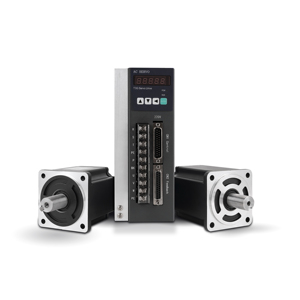
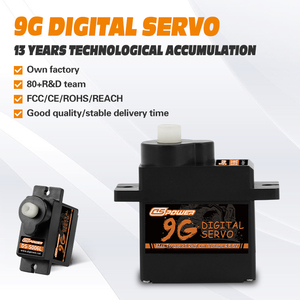
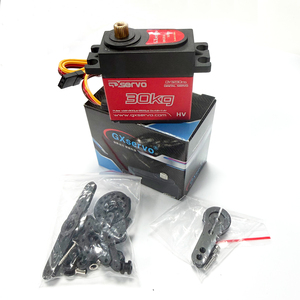
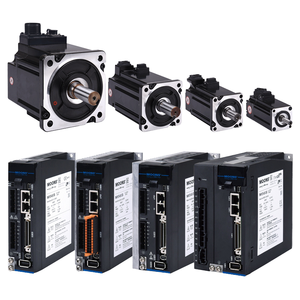
We solve single-source sourcing issues by pairing sodium-ion battery packs with matched precision BLDC motors, AC servomotors, planetary gearboxes, and low-EMI digital drives into unified system subassemblies, saving line-assembly costs.
Dual-Sourced & Traceable Quality Control
Audited tier-1 partner facilities in Asia aligned with ISO 9001 and ISO 13485 (medical quality management) maintain full lot traceability, cell grading, cleanroom production, and rigorous DFM sign-off processes.
Frequently Asked Questions by B2B Buyers & Engineers in Poland
Essential guidance on custom program MOQs, lead times, logistics to Poland, and technical integration parameters.
Request a Custom Sodium-Ion Battery & Motion Quote Today
Speak directly with our application engineers to analyze your duty cycle, design a tailored battery pack prototype, and secure factory wholesale pricing for Poland and European delivery.