High-Performance Energy Storage Systems (ESS)
Pre-configured, tropicalized Lithium Iron Phosphate (LiFePO4) storage solutions engineered for rapid deployment across Ghana's commercial, industrial, and residential sectors.
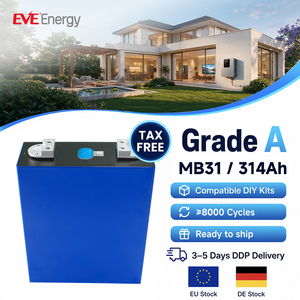
EVE MB31 LiFePO4 Cell 3.2V 280Ah / 314Ah Grade-A Prismatic Cells
- 6,000+ Deep Cycle Life @ 80% DOD
- High Energy Density Prismatic Design
- Ideal for Custom DIY & Solar Bank Builds
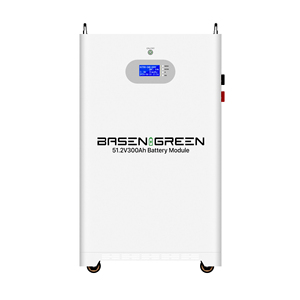
Residential Solar PowerWall 10kWh / 15kWh / 16kWh 51.2V LFP Module
- Built-in Smart BMS with CAN/RS485
- Wall-Mounted Space-Saving Design
- Compatible with Deye, Victron & Luxpower
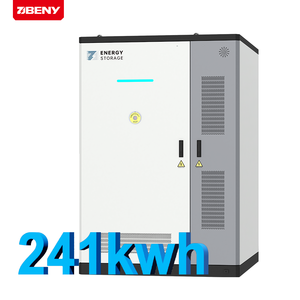
C&I High-Voltage Storage Cabinet 100kW / 230kWh / 241kWh ESS
- Integrated Liquid/Air Cooling System
- Aerosol Fire Suppression Built-in
- Peak-Shaving & Off-Grid Microgrid Ready
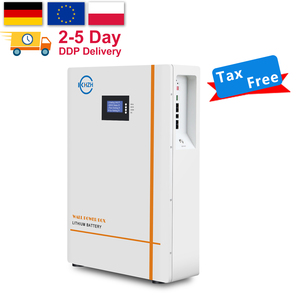
Heavy-Duty PowerWall LFP 51.2V 280Ah / 314Ah (16kWh Master Storage)
- 100A Continuous Discharge Rate
- LCD Touch Screen Monitoring Interface
- DDP Shipping to Tema & Takoradi Available
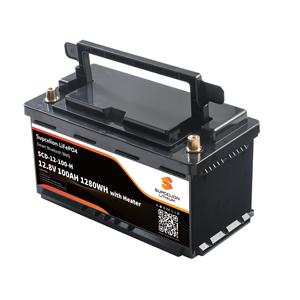
Deep Cycle Customized 12V LiFePO4 Series (50Ah to 300Ah) with Bluetooth
- Drop-in Lead-Acid Replacement
- Real-Time Mobile App Bluetooth Diagnostic
- IP65 Waterproof Heavy-Duty ABS Case
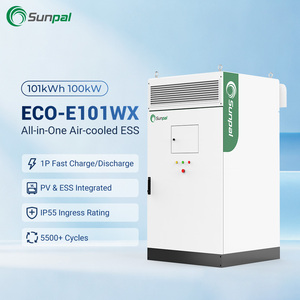
Commercial Outdoor ESS Cabinet 50kW / 100kW / 101kWh Turnkey Storage
- All-in-One PCS & Battery Integration
- HV HVAC Thermal Management Unit
- Grid-Tied & Islanded Automatic Switching
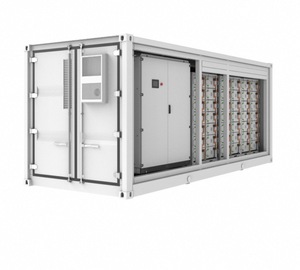
Modular Containerized ESS 100kW - 300kW Agricultural & Utility Scale
- Modular ISO Container Architecture
- Multi-Cluster Centralized EMS Controller
- Engineered for Mining & Agribusiness
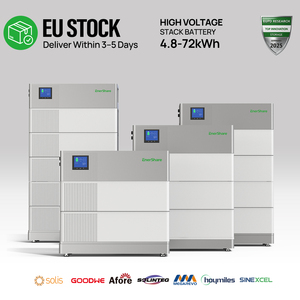
High-Voltage Stackable LFP Module System (10kWh to 20kWh Flexible)
- Quick-Plug Cordless Stacking Assembly
- High Voltage Efficiency (192V - 400V)
- Zero Internal Wiring Exposure
Navigating Ghana's Power Landscape: The Strategic Imperative for Battery Energy Storage (BESS)
Ghana's dynamic economic trajectory across industrial hubs like Greater Accra, Ashanti (Kumasi), and the Western Region (Takoradi) is increasingly shaped by power infrastructure evolution. While Ghana boasts one of West Africa's highest national electrification rates (exceeding 85%), the primary challenge facing commercial operations, agricultural processors, and residential estates is grid stability, voltage sag, and escalating peak tariff structures managed by the Electricity Company of Ghana (ECG) and Northern Electricity Distribution Company (NEDCo).
Information Gain Insight: Industrial facilities in Ghana experience an average of 18 to 35 unannounced micro-outages monthly. Transitioning from legacy diesel generation (averaging $0.34–$0.42 per kWh operational expense) to integrated Lithium Iron Phosphate (LiFePO4) solar storage reduces Levelized Cost of Energy (LCOE) down to $0.08–$0.11 per kWh over a 10-year platform horizon.
Furthermore, under Ghana's Renewable Energy Master Plan (REMP), the Ministry of Energy aims to scale renewable generation capacity to 10% of the national energy mix. Solar irradiance metrics across Ghana offer exceptional potential, ranging from 4.5 kWh/m²/day in southern coastal zones to over 6.2 kWh/m²/day in Northern Ghana (Tamale, Wa, Bolgatanga). However, solar intermittency requires robust, high-C-rate industrial battery cabinets capable of absorbing rapid photovoltaic surge while providing steady-state power during peak demand windows (18:00 to 23:00 GMT).
Why Tier-1 OEM Energy Storage Outperforms in Tropical Environments
Leveraging 40 years of OEM power and motion engineering, our battery systems are built from the cell level up to withstand high ambient temperatures, humidity, and dusty harmattan condition profiles.
Thermal Runaway Mitigation
Utilizing exclusively Grade-A EVE LiFePO4 chemistry with chemical thermal runaway points exceeding 270°C. Advanced phase-change materials and active HVAC keep core cell temperatures under 32°C even when ambient air reaches 42°C in Northern Ghana.
Multi-Tier Intelligent BMS
Our proprietary Battery Management System (BMS) executes microsecond-level active balancing, monitoring individual cell voltage, internal resistance, and state of health (SOH). Seamlessly communicates via CAN/RS485 protocols with global hybrid inverters.
Harmattan & Tropical Enclosures
IP65 and NEMA 4X rated outdoor cabinets with anti-corrosion powder coatings and high-efficiency dust filtration systems engineered specifically against coastal sea-spray in Accra and fine dust particle ingress during Harmattan seasons.
High-Impact Application Scenarios Across Ghana's Key Sectors
Purpose-engineered energy storage architectures delivering power resilience, cost reduction, and operational continuity.
Gold Mining & Quarrying Off-Grid Microgrids
Remote mining operations in Tarkwa, Obuasi, and Prestea often rely on dedicated heavy fuel oil (HFO) or diesel microgrids. Integrating containerized high-voltage battery cabinets (100kW to 300kW PCS configurations) allows mines to absorb massive motor-starting inductive surges, stabilize grid frequency drops, and optimize generator loading ratios, resulting in 25–40% diesel fuel savings annually.
Financial Hubs, Hotels & Logistics Centers
High-rise commercial properties in Ridge, Airport Residential Area, and Cantonments require zero-millisecond power transfer for critical IT servers, HVAC cooling, and security. Stackable high-voltage LFP batteries paired with commercial hybrid inverters provide immediate peak-shaving during expensive tariff windows and zero-break back-up during city-wide grid shedding.
Cocoa, Cashew & Horticulture Processing Plants
Agricultural processing plants in Sunyani and Techiman depend on uninterrupted cold storage and sorting machinery. Voltage drops during peak processing seasons cause severe compressor damage. Our 12V customized deep-cycle and rack-mounted LiFePO4 batteries deliver stable voltage supply, protecting capital equipment and preventing post-harvest crop spoilage.
Cellular Towers & Gated Community PowerWalls
Telecom infrastructure providers across rural corridors require maintenance-free energy storage to replace short-lived lead-acid batteries. Our 51.2V 100Ah/200Ah PowerWall battery systems feature remote telemetry monitoring, allowing tower technicians to monitor charge states, ambient temperatures, and cycle counts from central monitoring centers in Accra.
Why Ghanaian Enterprises Are Rapidly Phasing Out Lead-Acid & AGM Systems
Historically, commercial facilities in West Africa relied on Gel or AGM lead-acid battery banks due to lower upfront procurement costs. However, in tropical climates where operational room temperatures frequently hover between 30°C and 38°C without continuous air conditioning, lead-acid lifecycle rapidly degrades by up to 50% for every 8°C rise above 25°C.
Legacy Lead-Acid / AGM Banks
- Limited to 500 – 1,200 cycles at 50% Depth of Discharge (DOD).
- Severe thermal degradation in unconditioned battery rooms.
- Usable capacity drops under heavy discharge currents (Peukert Effect).
- High weight and bulky footprint requiring massive floor space.
- Frequent replacement cycle (every 1.5 to 2.5 years).
Advanced EVE LiFePO4 Systems
- 6,000 to 8,000+ deep cycles at 80% to 90% Depth of Discharge (DOD).
- Stable chemical structure capable of high-temperature operation up to 55°C.
- 98% round-trip energy efficiency (RTE), reducing PV waste.
- 70% lighter footprint with high energy density prismatic cells.
- 10 to 15-year operational design lifespan with zero routine maintenance.
Frequently Asked Questions by Ghanaian Importers & Engineers
Direct technical and logistical answers regarding shipping, custom clearances, system integration, and warranty terms for Ghanaian projects.