Featured Motion Control & AGV Drive Component Lines
Engineered for continuous duty cycles, high payload density, and seamless CANopen/EtherCAT industrial integration.
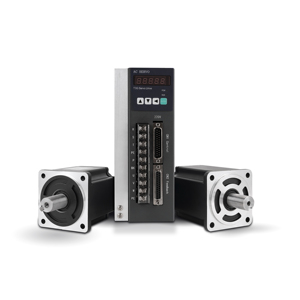
AC Servo Motor 1300W 220V Support Pulse / RS485 Control for Medical & AGV High Precision
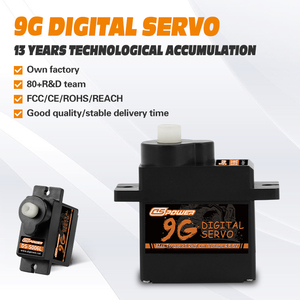
SG90 Servo Motor PWM 180° Micro Servo Motor Gear Set for Sensor Steering & Actuation
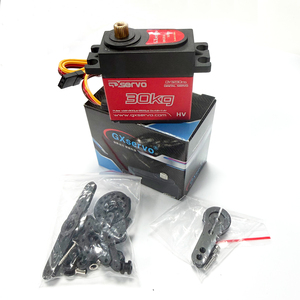
GXservo 30KG High-Torque Digital Servo Motor Waterproof Metal Gear for Industrial Robotics
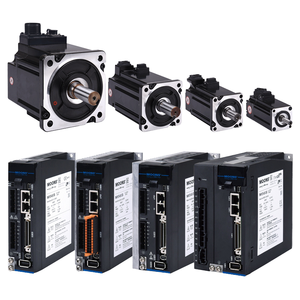
Servo Motor With Integrated Drive XP 750W 220VAC 2.4N.M Controller Kit with 3m Cable
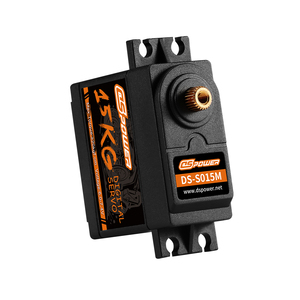
High-Speed Precision Robot Motor with Integrated Position Feedback & 15kg Torque Capacity
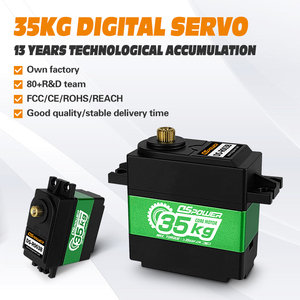
35KG Micro Servo Motor Heavy Duty Universal Digital 25KG Metal Gear Unit for AMR Lifters
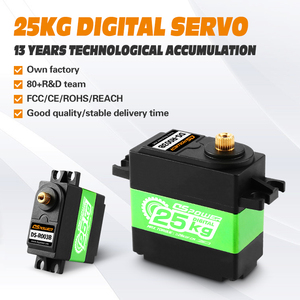
25kg Metal Gear Semi-Aluminum Case Servo, Robotic Arm PWM Controller Core Drive
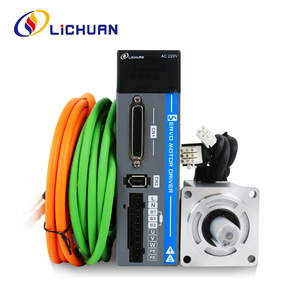
Lichuan 220V 3000RPM IP65 AC Servo Motors & Drivers Kit (200W-1000W) for Heavy AGVs
Local Application Scenarios Across the Greater Seattle Ecosystem
Custom OEM/ODM AGV drive powertrains and steering wheel assemblies engineered specifically for Pacific Northwest industry requirements.
E-Commerce & Mega Fulfillment (Kent Valley Corridor)
The Kent Valley logistics cluster—stretching from Tukwila through Kent, Sumner, and Auburn—hosts massive e-commerce distribution centers handling elevated unit volumes. Our BLDC heavy-duty differential drive wheels power autonomous mobile robots (AMRs) operating 24/7 on continuous S1 duty cycles with high energy efficiency.
Aerospace Tooling & Payload Transport (Everett Hub)
Supporting aerospace structural sub-assembly demands extreme rigidity and low zero-backlash positioning. Our high-torque AC Servo systems (750W to 1300W and up) with heavy planetary gearheads maneuver multi-ton jigging platforms and automated guided carts precisely across factory floors near Snohomish County.
Port Container Terminals & Maritime Cold Storage
Deploying AGVs at the Port of Seattle and Port of Tacoma marine docks requires resistance to saltwater corrosion and wide ambient temperature fluctuations. We engineer sealed IP65/IP67 drive wheel assemblies featuring custom synthetic clean lubricants and treated aluminum housings designed for damp, sub-zero seafood cold storage warehouses.
Technical Deep-Dive: Pacific Northwest AGV & AMR Motion Control Trends
An engineering analysis of localized demand drivers, thermal dissipation requirements, and mechanical architecture selection.
1. The Shift to High-Density Automated Storage & Labor Augmentation
The Greater Seattle technology and industrial corridor faces unique regional macroeconomic conditions: persistent high labor costs, tight commercial real estate footprints, and demand for rapid order turnarounds driven by regional tech giants. As a result, facility operators are transitioning aggressively from standard forklifts to automated mobile platforms, vertical reciprocating conveyors (VRCs), and narrow-aisle AGVs.
From an OEM drive manufacturing perspective, this trend demands higher power density within compact radial dimensions. Space-constrained AGV drive pods must integrate the motor, high-reduction planetary gearbox, electromagnetic holding brake, and multi-turn optical encoder into an ultra-low-profile envelope. Telco Intercontinental Corp. addresses this challenge by customizing stator magnetic laminations and utilizing high-coercivity NdFeB permanent magnets, allowing our BLDC and Servo motors to output maximum torque without increasing physical volume.
2. Low-Voltage DC Electrification & Sodium-Ion Battery Matching
Modern autonomous fleets operating in North American fulfillment hubs are moving away from traditional 230V/400V AC mains-tethered architectures toward isolated 24V, 48V, and 96V DC power buses. This transition improves worker safety, simplifies UL 583 compliance, and facilitates rapid opportunity charging.
Furthermore, as next-generation energy storage platforms—such as Sodium-Ion (Na-Ion) battery packs—gain traction due to superior low-temperature performance and cost stability, drive motors must handle wider input voltage tolerance ranges without losing speed regulation. Our customized AGV BLDC controllers incorporate advanced field-oriented control (FOC) algorithms with regenerative braking energy recovery, returning up to 12% of braking energy back to the onboard Na-Ion or Lithium power pack during high-deceleration stops in high-frequency shuttle routines.
AGV Powertrain Architectural Selection Guide for OEM Design Engineers
Selecting the optimal motion control subsystem requires matching the vehicle steering geometry with the operational environment. Below is an engineering overview of common configurations supplied to Pacific Northwest system integrators:
- Differential Traction Drive Wheels: Utilizes two independently driven BLDC planetary gearmotors positioned on a central axis. Steering is accomplished via differential wheel speed control. Best suited for high-agility AMRs operating on flat concrete warehouse floors (Kent Valley standard).
- Steerable Traction Pod Assemblies: Integrates a vertical steering drive (using micro servo actuators like the 25kg/35kg metal-gear series) with a horizontal traction motor (such as our Lichuan or XP 750W integrated AC servos). Enables true omnidirectional movement for heavy aerospace tooling carts in Everett.
- Mecanum Wheel Direct Drives: Employs four independently controlled high-speed, high-torque BLDC motors coupled with precision encoders to enable zero-radius sideways traversal in extremely confined cleanroom or biotech lab settings (Bothell/South Lake Union).
Why Tier-1 OEMs Trust Telco Intercontinental Corp.
Combining 40 years of motion engineering heritage with robust global supply chain security.
Application-First Sizing & FEA Simulation
We don't force catalog motors onto custom machinery. Our US-based engineering teams analyze your exact duty cycle sheet—calculating continuous RMS torque, acceleration spikes, radial gear loads, and thermal dissipation—using Finite Element Analysis (FEA) magnetic modeling prior to cutting metal.
Documented Revision Control & ISO Standards
Every custom shaft, winding profile, connector pinout, and gearbox housing receives strict engineering drawing approval. We maintain 100% lot traceability, full initial sample inspection reports (ISIR), and design records aligned with ISO 9001:2015, ISO 13485 (medical), and IEC 60601 requirements.
Dual-Source Supply Chain Risk Mitigation
Headquartered in Houston, Texas with audited engineering and manufacturing hubs in both Asia and North America, Telco protects your production schedule against single-region supply chain bottlenecks. We support buffer stock programs, safety inventory management, and scheduled drop-shipments directly to your manufacturing line.
Frequently Asked Questions by Seattle Engineering & Procurement Teams
Clear, direct answers regarding custom engineering orders, lead times, and regulatory compliance.
Accelerate Your AGV & Motion Control Program Today
Partner directly with seasoned motion control engineers who understand the technical demands of the Seattle industrial ecosystem. Contact us to discuss your duty cycle requirements or request custom prototype pricing.